 சினிமா
 டிவி
டிவி Podcast
 iPaper
 கோயில்கள்
 புத்தகங்கள்
 Subscription
 திருக்குறள்
 கடல் தாமரை
Artificial Intelligence: A Root-to-Branch Transformation
Artificial Intelligence: A Root-to-Branch Transformation
பிப் 26, 2026 10:36 PM
பிப் 26, 2026 10:36 PM

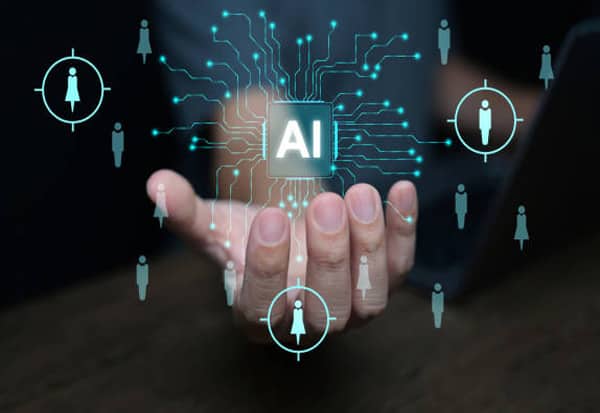
A Revolution Unlike Any Before
Artificial Intelligence (AI) is transforming the world at a speed and depth never seen before. Over the past four decades, the IT industry has gone through several important evolutions, but the rise of AI stands apart. Unlike earlier technologies that improved efficiency, AI is reshaping how organizations think, operate, and innovate. This is not a surface-level upgrade, but a fundamental shift that will redefine the structure, decision-making, and future direction of institutions across industries.
New Capabilities and New Challenges
One major reason for AI's rapid growth is the availability of ready-made software platforms and tools. As a result, the skill of integrating, guiding, and managing AI systems is becoming more valuable than traditional programming alone. However, this progress brings challenges. Conventional software produces predictable and consistent results, while AI systems may sometimes generate unexpected outputs. Ensuring accuracy, reliability, and trust in AI solutions is now one of the biggest responsibilities facing organizations.
Technology Debt and Modernization
Many organizations today carry the burden of outdated software built over several decades, often referred to as “technology debt.” AI offers a powerful opportunity to modernize these systems. Instead of relying entirely on expensive external software, companies can now develop their own intelligent applications. AI agents are emerging as a new interface, helping users interact with software more naturally and efficiently, while reducing dependence on traditional systems.
The Processing Gap
Despite the rapid improvement in AI models and their ability to analyze vast amounts of data, many organizations struggle to adopt them immediately. This delay is not due to limitations in AI itself, but because of a “processing gap.” Companies need time to prepare their data systems and train people to use AI effectively. Human readiness, not technological capability, is often the limiting factor.
Core Skills Still Matter
Even in an AI-driven world, certain human abilities remain irreplaceable. Critical thinking, independent problem analysis, and understanding the unique context of an organization are essential skills. Technology can assist decision-making, but it cannot replace human judgment and insight. Students and future professionals must focus on building these core abilities.
Opportunities in the AI Era
AI has not reduced opportunities; instead, it has created new ones. The real challenge is not the lack of opportunity, but the speed at which individuals and organizations can adapt. Those who learn, understand, and use AI effectively will be better prepared for success in the future.
— Nandan Nilekani, Chairman, Infosys

Advertisement